3840Hz vs 7680Hz LED Refresh Rate: Does the Difference Actually Matter?
Two LED display panels can have the same pixel pitch, resolution, brightness, and cabinet size yet advertise different refresh rates: 3,840 Hz and 7,680.


Two LED display panels can have the same pixel pitch, resolution, brightness, and cabinet size yet advertise different refresh rates: 3,840 Hz and 7,680.
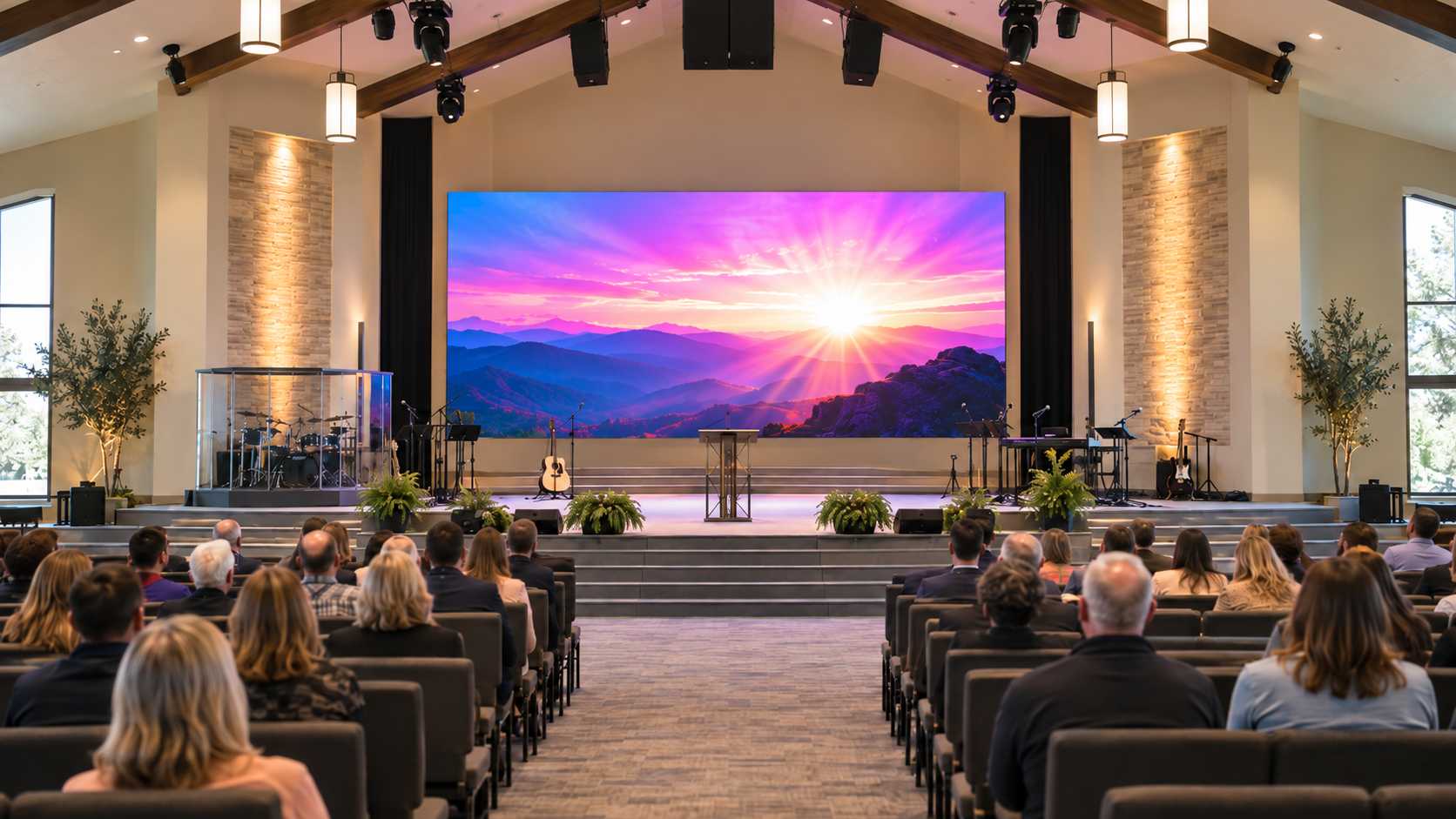
Two LED screens can show the same sunset and deliver noticeably different results. One displays a smooth transition from orange to blue; the other breaks.
Choosing LED technology involves more than resolution, brightness, and refresh rate. The surface also needs to survive real-world use—from installation and cleaning to repeated handling.
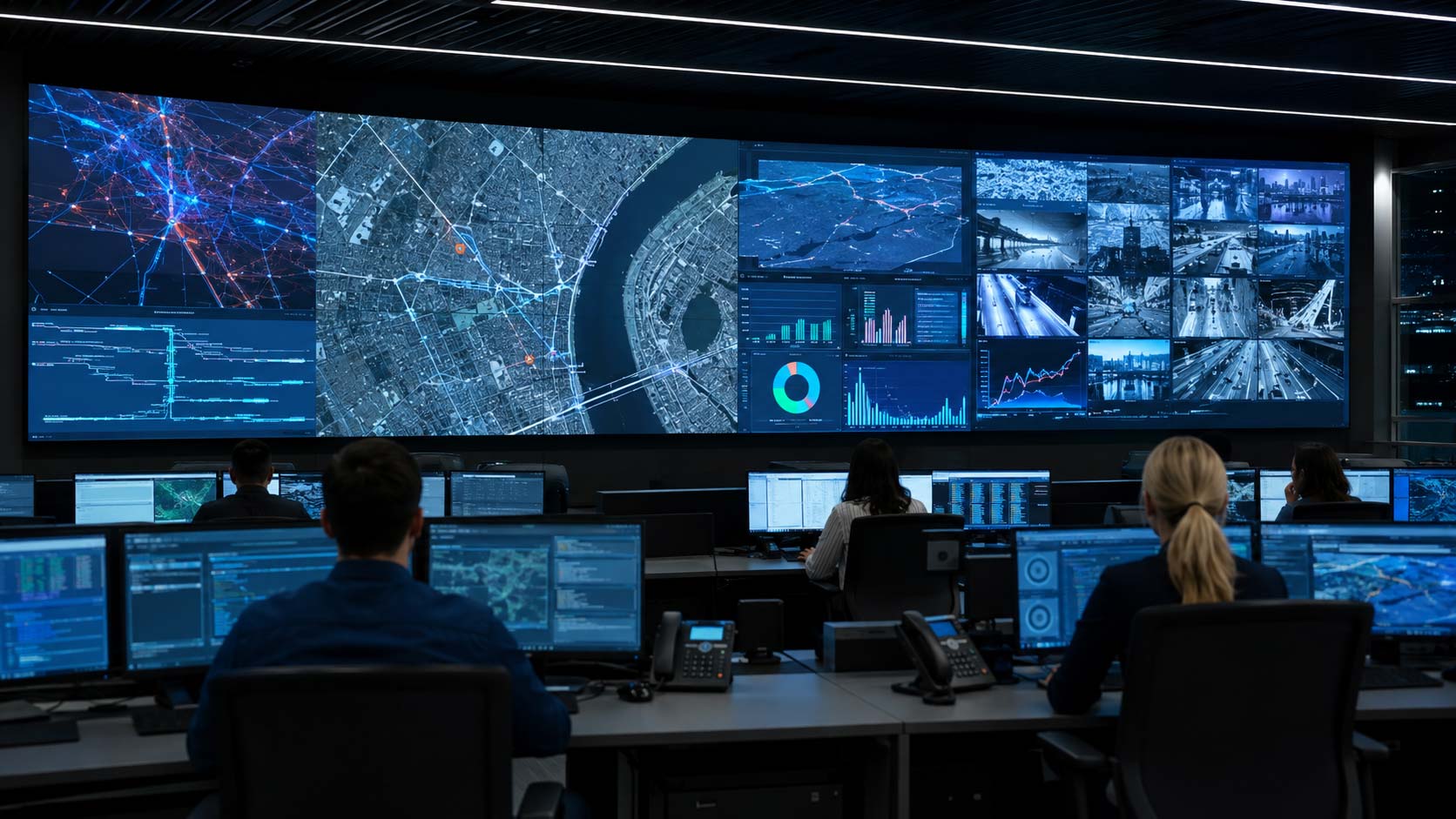
Imagine a simple buying scenario: you know the wall dimensions, find an attractive price, and feel ready to order. Dimensions and price, however, are only
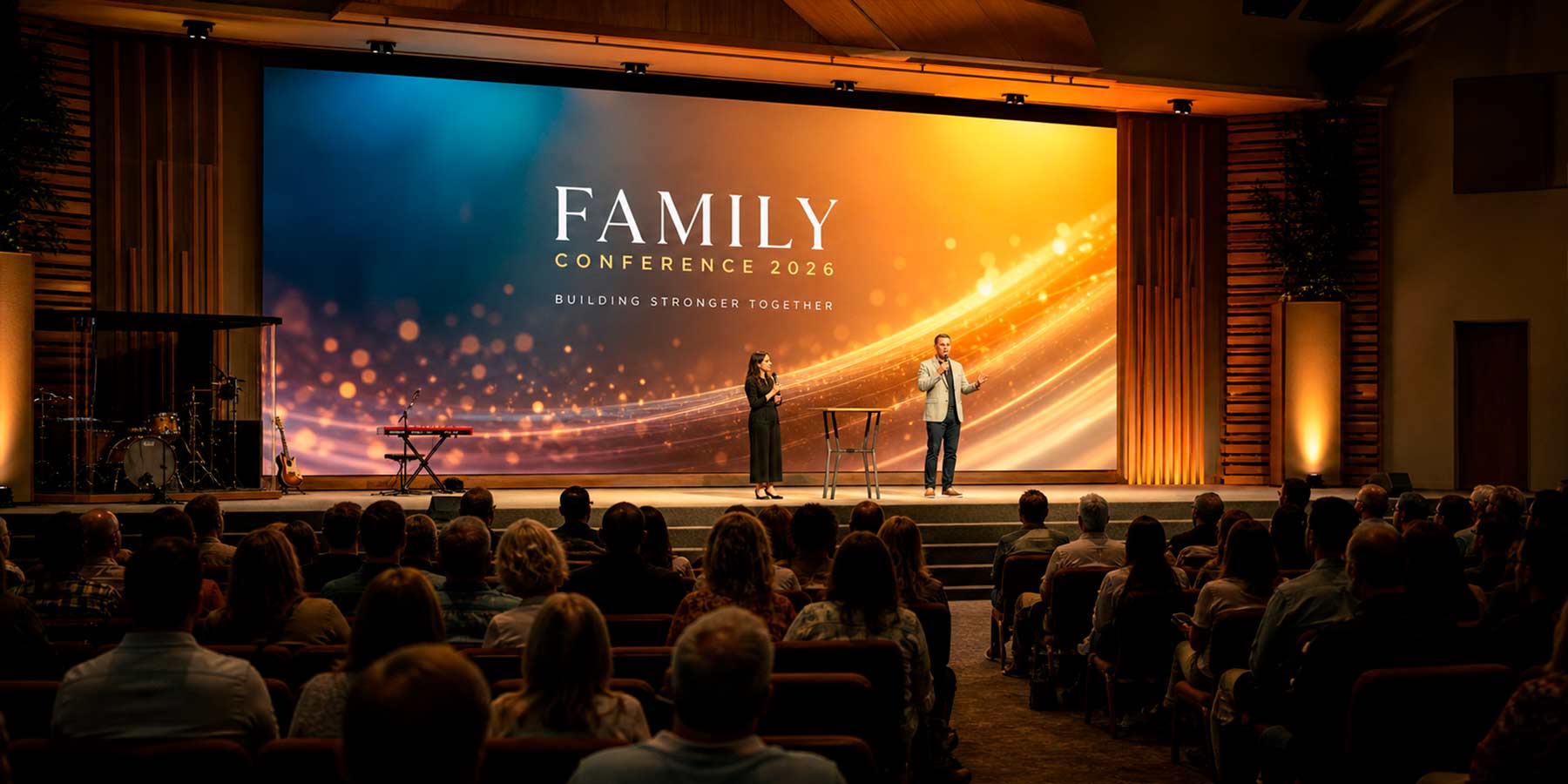
When investing in LED technology, focusing only on the final price can be a costly mistake. Two quotes may look similar on paper, but the
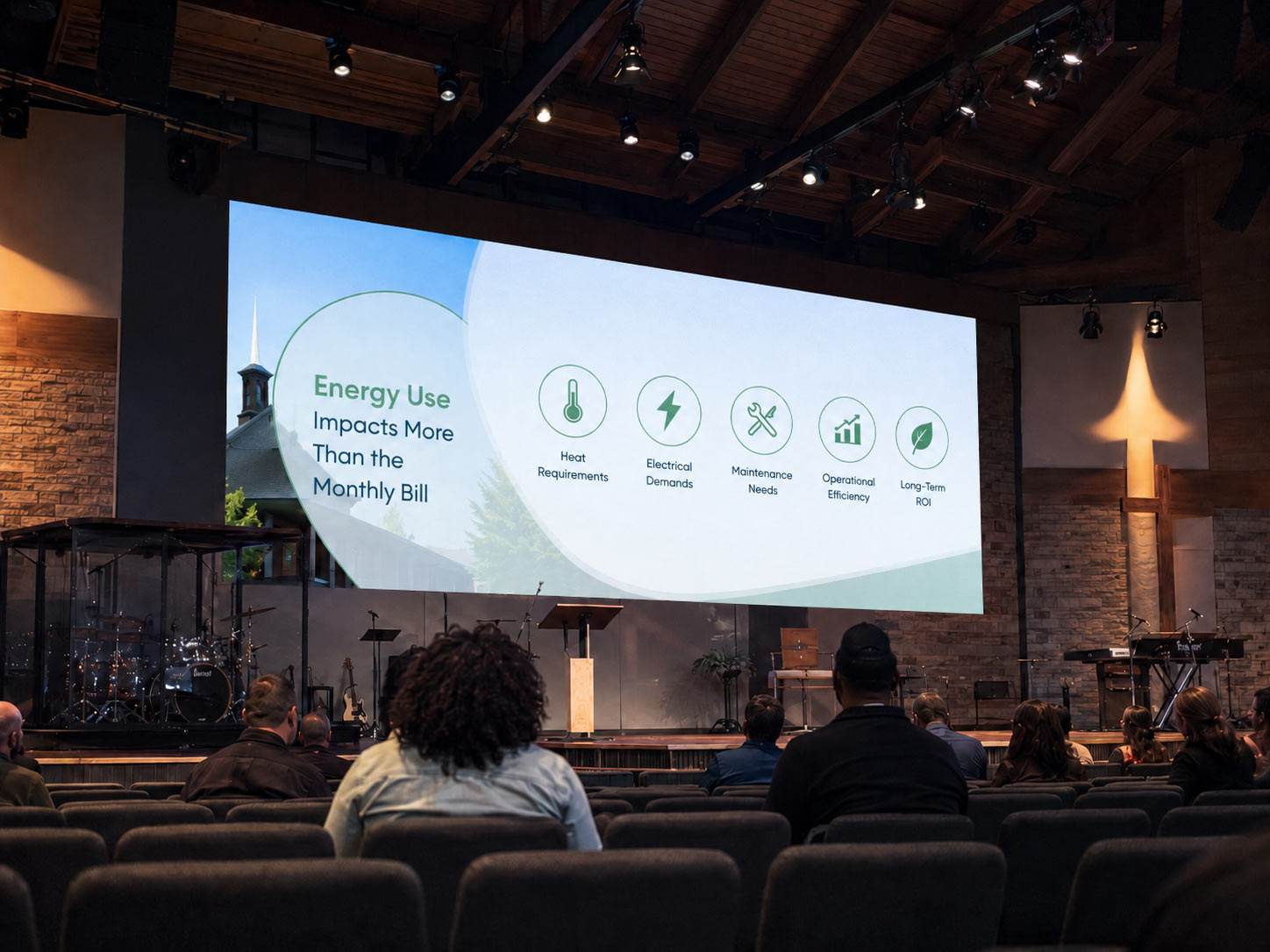
Imagine installing a spectacular LED video wall in your business: dynamic content, vibrant colors, and a visual presence that is impossible to ignore. At first,
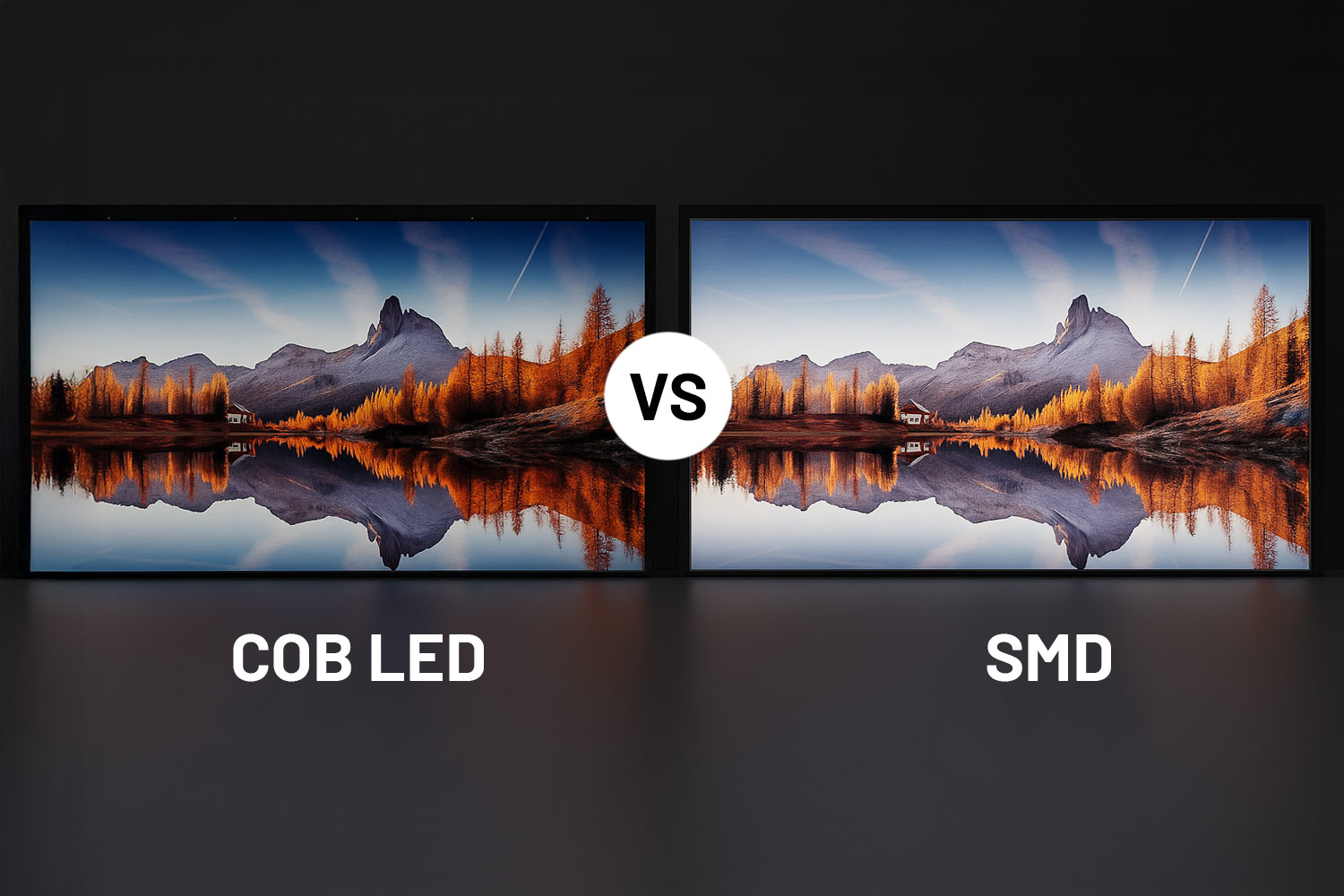
By 2026, choosing an LED display is not about chasing the newest label on a spec sheet. The smarter question is which technology fits the

A bad screen is usually easy to spot. Maybe it looks dim. Maybe the image feels soft, uneven, or washed out. Refresh rate is trickier.

In 2026, the conversation around visual communication has clearly shifted. It’s no longer enough to focus solely on brightness or screen size. Energy efficiency has
Although 2026 has just begun, it is already proving to be a turning point in how LED display panels are integrated into commercial environments. The